
Range Rover air suspension usually fails because of leaking air springs, a worn compressor or a faulty valve block. On Kenyan roads, dust and rough surfaces accelerate this wear, and the correct repair starts with a diagnostic to identify the exact failed component before replacing parts.
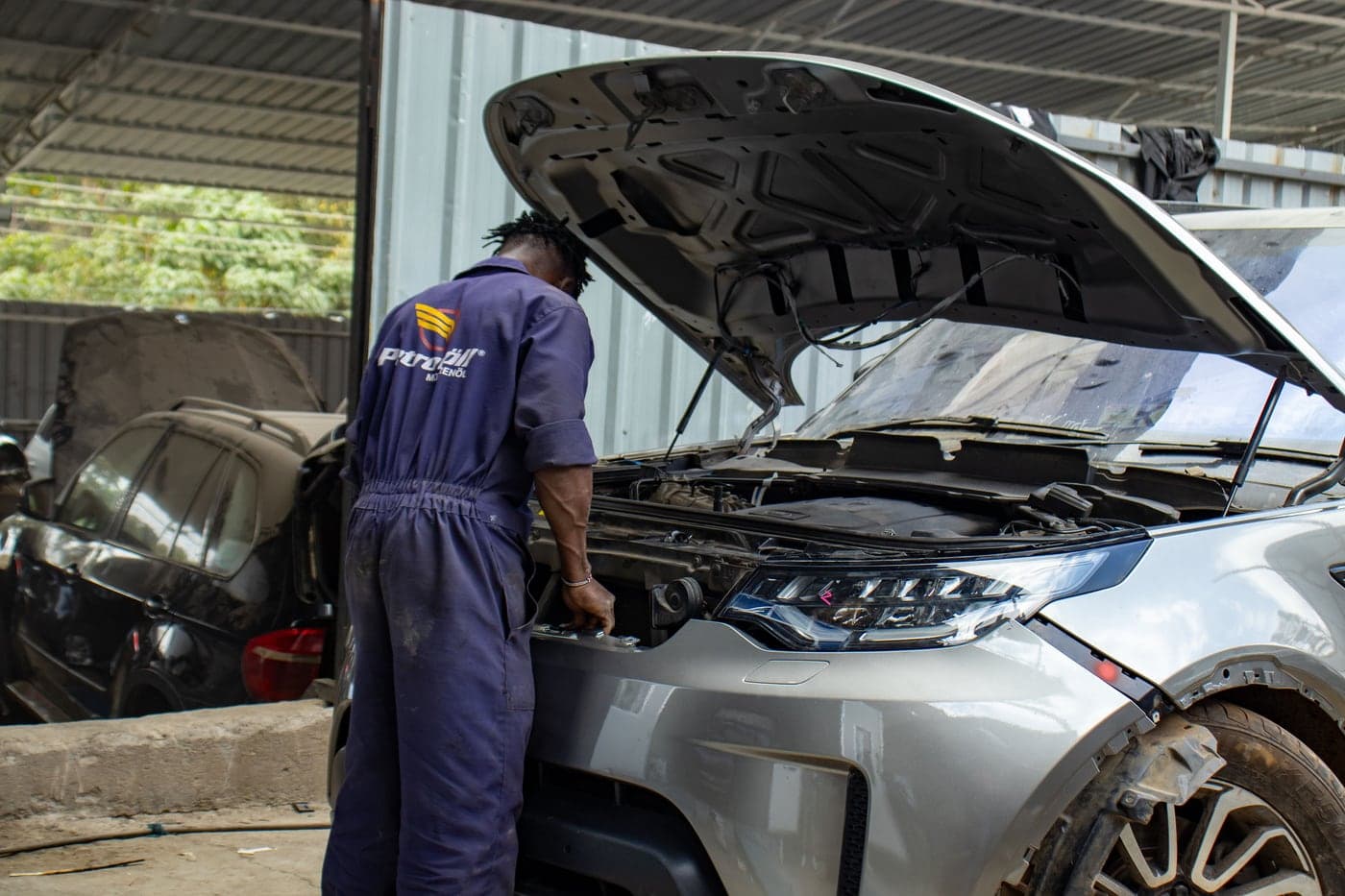
Air suspension gives a Range Rover its signature ride, but it is a complex system of bags, lines, a compressor and electronic control. When one part fails, the car can drop, sit unevenly or warn of suspension fault.
Air springs perish and leak over time, especially in dusty conditions, causing the car to sag overnight or on one corner.
A compressor that runs constantly to keep the car level eventually overheats and fails — often a consequence of an unrepaired leak.
The valve block and height sensors can also fault, which is why a diagnostic is essential before any part is replaced.
Replacing a single leaking bag without checking the compressor often leads to a second failure, so a complete system assessment saves money.
Questions, answered.
This usually points to a leaking air spring on that corner, though a faulty valve block or sensor can cause it too. A diagnostic confirms the exact cause.
Yes. German Experts Centre diagnoses and repairs Range Rover air suspension, sourcing genuine or OEM-grade compressors, bags and valve blocks.
Need this sorted on your car?
Book a diagnostic at the branch nearest you and get a printed fault report.
Book a service